Fifteen Minutes of Frenzy: How Overtime Turns Disciplined Bettors Into Chaos Tourists
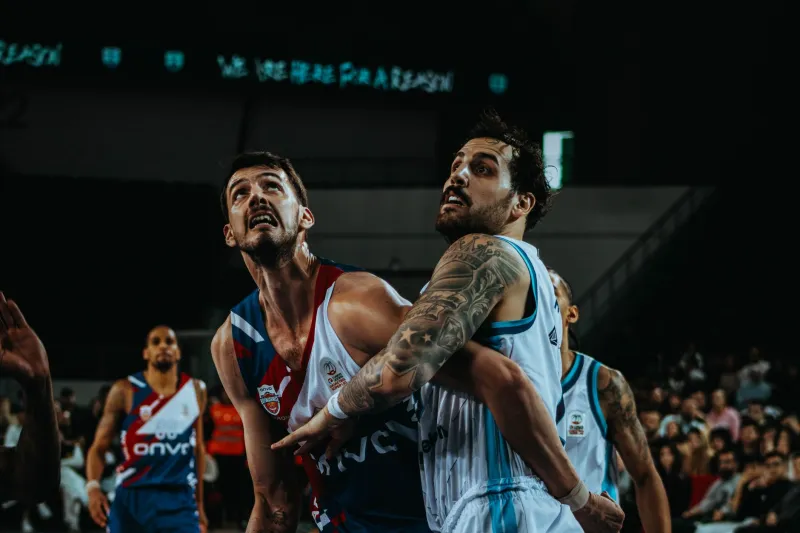
Regulation ends. The score is tied. And somewhere, a sportsbook accountant just smiled.
Overtime might be the best fifteen minutes in sports — a sudden-death sprint where everything feels heavier, louder, and more urgent. It's also, not coincidentally, the most profitable stretch of the game for the books. Not because the odds magically shift, but because you change. The calm bettor who carefully sized a stake at kickoff is suddenly a different animal, thumb hovering over the app, chasing a night that's already slipped away.
Let's talk about why OT wrecks people — and how to be the rare bettor who walks into the bonus period with a plan.
The Emotional Spike Is the Product
Think about what overtime actually is from a psychology standpoint. For three hours, you've been riding a slow emotional rollercoaster. Your team scored, blew the lead, clawed back. Your bet has lived a full life already. Then regulation ends in a tie, and instead of resolution, you get more — sudden death, one possession, everything on the line.
Your brain doesn't process this as "more of the same game." It processes it as a fresh crisis. And fresh crises demand fresh action. That's why the live betting menu explodes during OT: next score wins, overtime total props, player props for guys who've barely seen the floor. The sportsbook isn't offering these because they're great bets. It's offering them because your judgment is at its absolute worst.
Here's the uncomfortable truth: the edge on most OT markets is wider than the pre-game lines, not narrower. Books price in real-time chaos, and casual bettors price in pure emotion. That gap is the house's quietest profit center.
Chasing Losses Wears a Jersey
Nobody admits they're chasing. Chasers think they're "staying engaged" or "getting it back." But the pattern is unmistakable: you lost your main bet in a heartbreaking finish, and now you're throwing a unit at an OT prop — not because you found value, but because the night owes you.
It doesn't. That's the core lie of the chase. The game doesn't have a memory, and neither does the line. The painful beat in regulation has zero bearing on whether the next-score-wins bet is good. If anything, your tilt makes the new bet worse, because you're no longer evaluating — you're retaliating.
The bookmakers understand this deeply. Refund promos and "free bet if your bet loses in OT" offers aren't gifts. They're invitations to stay in the building during your worst hours, betting your worst bets. A rebate on a bad wager is still a bad wager with a coupon attached.
Build an Overtime Protocol Before the Whistle
The fix isn't willpower in the moment — willpower loses to adrenaline every time. The fix is a rule set you write now, while you're calm, that your future frantic self has to follow.
Rule 1: Decide your OT policy pre-game. Before kickoff, decide whether you bet overtime at all. For most people, the honest answer is "only if I'd have bet this exact market an hour ago." If the answer is no, close the app when regulation ends.
Rule 2: The refund promo is not a reason to bet more. If a book gives you a free bet back on an OT loss, that's a small edge-recovery tool — use it as a single, pre-planned stake, not a license to fire five bets because "one's free."
Rule 3: Cap the OT session at one bet. Sudden death is short. Your bankroll's lifespan shouldn't be shorter. One position, sized at your normal unit, maximum.
Rule 4: If you're angry, you're done. This is the simplest and hardest rule. If regulation ended on a blown call, a missed kick, or a brutal beat, you are not a reliable evaluator of anything for the next twenty minutes. The best OT bet is frequently the one the tilted version of you doesn't place.
The Free Swing That Isn't
The language around overtime betting gives the game away. "Free swing." "House money." "Bonus period." Every phrase frames the extra minutes as found cash — money that doesn't count, stakes that don't sting. But your bankroll doesn't have a separate OT wallet. A unit lost in a next-score-wins prop spends exactly like a unit lost on the main spread.
The sportsbooks love the "free money" framing because it dissolves the one instinct that protects bettors: the question "is this actually a good bet?" When money feels free, nobody asks. When nobody asks, the vig flows freely.
The Sharpest Bet Is Often a Slow Walk Away
Here's a reframe worth keeping: overtime is the moment the sportsbook's menu is biggest and your edge is smallest. That's an inverse relationship you should respect in every market, not just this one. Whenever a book expands its offerings at high speed, during high emotion, it's usually because that's when you'll pay the highest price for the privilege.
So next time a game rolls past regulation, treat the bonus period like a casino comped drink: pleasant, tempting, and absolutely not free. Watch it if you want. Scream at the TV if you must. But if your pre-game self wouldn't have bet it, your post-regulation self doesn't get to either.
Fifteen minutes of frenzy is entertainment. Discipline is what lets you afford the next one.