Eight Months of Patience, One Ticket: The Quiet Math Behind Super Bowl Futures
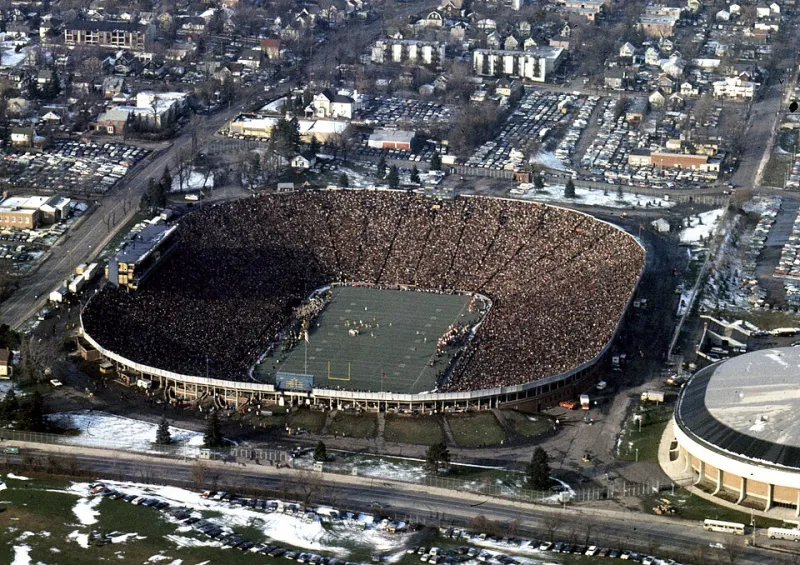
Photo: University of Michigan. News and Information Services., CC BY 4.0, via Wikimedia Commons
Every July, millions of American bettors do the same thing. The NFL season is a distant rumor, training camp headlines are mostly about a quarterback's hair, and someone at your group chat drops a screenshot: Eagles +1400 to win the Super Bowl. Locked in.
It feels harmless. Twenty bucks on a long shot, eight months of cheering interest. But here's the part nobody puts on the ticket stub: you just handed your sportsbook an interest-free loan, and the interest rate is baked into a number most bettors never bother to decode.
What You're Really Buying When You Buy a Future
A game bet resolves in three hours. A futures bet can sit in limbo for the better part of a year — through injuries, coaching meltdowns, a franchise quarterback landing on IR in October, all of it. That extended exposure is exactly why sportsbooks love futures so much.
The pricing tells the story. In a fair world, the implied probabilities of every team winning the Super Bowl would add up to 100%. In the actual futures market, they routinely add up to well over 150%. That gap? It's called the hold, and it's the sportsbook's built-in cushion. On a straight spread bet, the hold is typically around 4-5%. On a 32-team Super Bowl futures board, it can be 30% or more.
Quick math refresher: implied probability is just risk divided by total payout. A team at +1400 means you risk $100 to win $1,400, so the implied probability is 100 / (1,400 + 100) = about 6.7%. Do that for all 32 teams, add it up, and you'll see how fat the book's margin really is.
The T-Shirt Problem
There's a saying worth tattooing somewhere visible: most futures bets are T-shirts. You pay the money, you get months of entertainment, and at the end you walk away with nothing but the memory — like buying a shirt at a concert you barely enjoyed.
That doesn't mean futures are always bad bets. It means you need to know which kind you're placing:
- The entertainment future — $20 on a fun long shot because the season is more fun when you have a dog in the fight. This is fine. Budget it like a movie ticket.
- The value future — a bet where you genuinely believe the team's real championship chance is higher than the implied probability in the odds. This is where actual edge lives, and it's much rarer than your group chat thinks.
The trap is confusing one for the other. If you can't articulate why the Eagles are more likely than 6.7% to win it all — with reasoning beyond vibes and a Week 2 blowout — you've bought a T-shirt, not an investment.
Where the Actual Value Hides
Here's the counterintuitive part: the biggest futures markets are usually the worst priced. Super Bowl winner boards get the most public money, the most wishful thinking, and therefore the most inflated prices on popular teams. Bettors pile onto contenders at shrunken odds because those teams are famous.
Smaller markets tend to be softer:
- Division winners — Only three or four realistic candidates instead of 32, and the books can't juice the hold as aggressively when the pool of plausible winners is small.
- Award markets — MVP, Coach of the Year, Rookie of the Year. These get less public attention, which means less distorted pricing. A backup quarterback clearly in line for a starting job in August can be a massive overlay in an MVP market nobody's watching yet.
- Win totals — Over/under season wins often carry a tighter hold than the championship board, especially if you shop lines across books.
The general rule: the more obscure the market, the more likely the book's pricing is beatable by someone who actually follows the sport.
Building a Futures Portfolio That Isn't Just Hope
If you're going to play futures, treat it like a portfolio, not a scratch-off. A sane structure for a typical NFL season might look like this:
The core (60-70% of your futures budget): One or two division winner bets on teams you have a genuine, articulable read on. These resolve earlier — a division can be clinched by mid-December — which means your money isn't held hostage until February.
The upside (20-30%): An award market or two. MVP and Coach of the Year prices move fast based on narrative, and getting in before the national media catches on is where the value usually lives.
The lottery ticket (10% max): One long-shot Super Bowl future, sized for fun. This is the T-shirt budget. Enjoy the ride, expect nothing.
Two more rules worth stealing:
Timing matters more than in any other bet type. Futures odds move constantly. A team at +2500 in June might be +1200 by October. Sometimes waiting costs you; sometimes the early number is the only number worth having. If you have a strong preseason read — a rookie QB winning the job, a favorable schedule — the early market is where the mispricing lives.
Shop every book, every time. Futures lines vary wildly between sportsbooks because each book manages its own liability. The difference between +1400 and +1800 on the same team is enormous over a season-long hold. If you're not line shopping on futures, you're leaving the easiest money in betting on the table.
The Loan Terms, Read Aloud
None of this means futures are a scam. They're a legitimate part of the betting landscape, and for bettors who follow a sport closely, they offer some of the few genuine edges available. But go in with clear eyes about what you're signing:
You're giving the sportsbook your money for months. You're accepting a hold several times fatter than a standard bet. You're taking on injury risk, variance, and the possibility that your season dies in a Week 4 game you weren't even watching.
In exchange, you get a reason to care in November when the playoff race is a fog, and — if your read was sharp and your price was right — a payout that makes the whole winter worth it.
That's a trade worth making sometimes. Just make sure you're the one doing the math before you hand over the loan.