Twelve Minutes of Trouble: How the Intermission Becomes a Bankroll Shredder

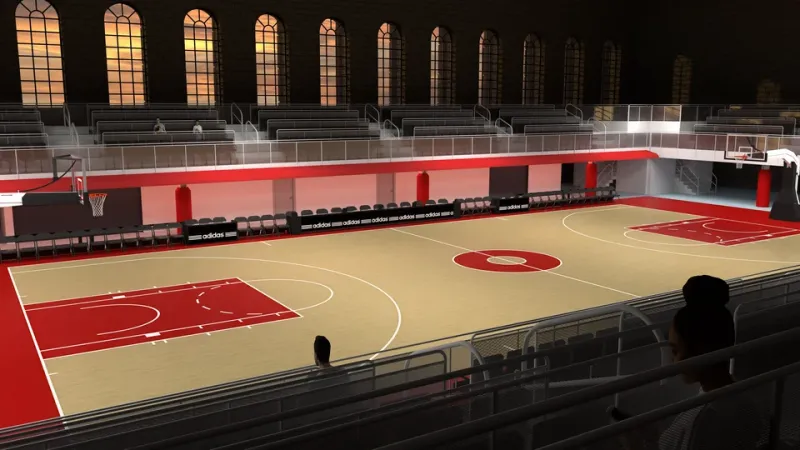
Photo: Benny.papenny, CC BY-SA 4.0, via Wikimedia Commons
There's a moment every American bettor knows too well. You're up 40 bucks on the Chiefs game, the teams jog to the locker room, and your phone is suddenly glowing with forty new prop markets, adjusted live lines, and a shiny 'SPECIAL' banner promising a boosted halftime total. Twelve minutes on the clock. Your thumb is already hovering.
Welcome to the flush — that intermission window where more bankrolls quietly bleed out than during any quarter of actual gameplay.
Why the Break Is a Trap, Not a Rest
During normal game action, you at least have the pretense of deliberation. A play happens, you react, you think (maybe). But at halftime, the sportsbook flips into a different mode entirely: compressed urgency. Lines refresh in seconds. Props appear and vanish. The message is clear — decide now or miss out.
Your brain, riding the emotional wave of a frustrating first half, does exactly what the book wants. Missed field goal? Clearly the kicker is washed, so you slam the under on his second-half points. Your team down ten? Time for the 'revenge bet' — double the stake to 'get it back' before the third quarter even starts.
None of this is analysis. It's mood dressed up as a pick.
The Psychology of the Twelve-Minute Meltdown
Three forces stack against you at the break:
1. The clock pressure. Studies on decision-making consistently show that time scarcity pushes people toward gut calls over reasoned ones. Books know this. That's why the halftime board is stuffed with quick-hit props rather than sober markets.
2. Recency bias on steroids. One bad half of basketball and suddenly your season-long read on a team is out the window. The last twenty minutes feel like the whole truth. They aren't.
3. The revenge spiral. This is the big one. Down money at halftime, the instinct isn't to protect the roll — it's to win it back faster. Chasing is the single most reliable bankroll killer in betting, and the intermission is where chasing gets its cleanest shot at you.
Add it up, and the halftime market is where books make some of their cleanest margins: emotional money, rushed decisions, and lines shaded to exploit both.
The Inflated Line Problem
Here's the part nobody wants to hear: halftime lines are often worse than the pregame numbers you agonized over. The vig on second-half spreads and totals tends to run higher, and live props can carry juice that would've made you laugh if you'd seen it posted calmly on a Tuesday afternoon.
When you're betting in a hurry, you don't comparison-shop. You don't notice the -125 you'd normally refuse. The break is designed — intentionally or not — to make you skip the shopping step entirely.
A Survival Playbook for the Intermission
You don't have to swear off halftime betting. You just need guardrails. Here's the OnBet66 intermission protocol:
Set your halftime plan before kickoff. Write down the scenarios where a second-half bet actually makes sense — 'if the spread is within 4 and the pace is slow, I look at the over.' A pre-committed decision tree beats a post-taco-spread panic grab every time.
Cap the halftime stake. Whatever your normal unit is, halftime bets get half of it. If the edge is real, it's real at half-size too.
Ban the revenge bet. If your reason for the wager contains the words 'get it back,' close the app. That's not a bet, that's a tilt deposit.
Check the juice before you check the line. Compare the halftime number to the pregame close. If the vig jumped, the book is charging a convenience fee for your impatience.
Use the bathroom break for what it's for. Seriously. Some of the best halftime decisions are the ones you don't make. Get a drink, reset your head, and come back for the third quarter as a viewer, not a mark.
The Bigger Picture
Your bankroll isn't a tank to be refilled after every bad half — it's a season-long asset. Every impulsive intermission wager chips away at the one thing that keeps you in the game long-term: the ability to bet tomorrow.
The books will always have twelve minutes and your emotions on their side. The counter is boring and effective: pre-planned scenarios, capped stakes, and the discipline to treat the break like a break.
The third quarter will start with or without your money in the middle. Let it start without it more often than not — your roll will still be there in the fourth.