Two Trains and a Coffee: Why Your Morning Ride Is the Best Betting Window You're Not Using
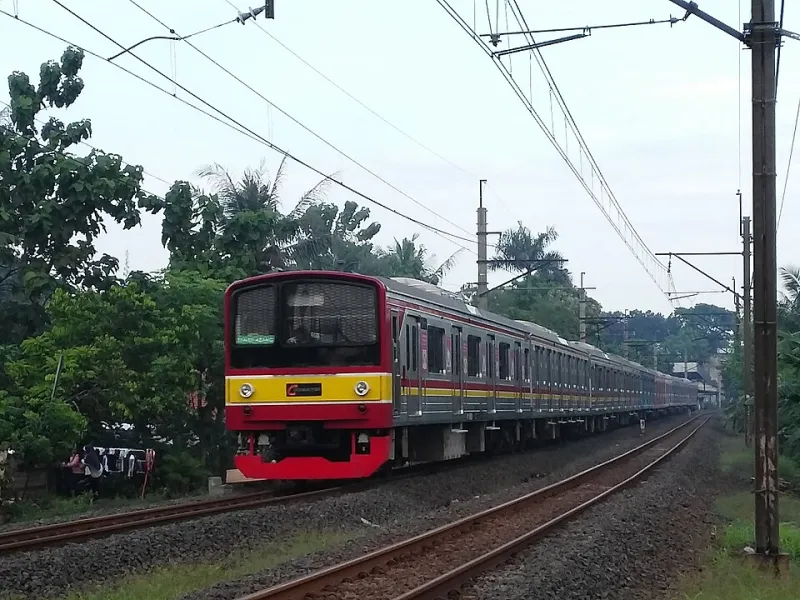
Photo: Pilar Gusmao, CC BY-SA 4.0, via Wikimedia Commons
There's a specific kind of chaos that comes with betting whenever the mood strikes. You're in line at Chipotle, you get a push notification about a Tuesday NBA total, and suddenly you've dropped $50 on a game you didn't even know was happening. By Friday, you're checking your balance like it owes you an apology.
Now compare that to the one part of your day that's already locked in: the commute. Whether you're on the L in Chicago, crammed into a BART car in the Bay Area, or sitting in standstill traffic on the I-4 (hands on the wheel, eyes on the road — we'll get to that), that window exists whether you use it or not. The bettors who last treat it like an office. The ones who don't treat it like a slot machine.
The Case for a Scheduled Betting Window
Here's the uncomfortable truth about spontaneity in sports betting: it almost always costs more than it pays. Impulsive wagers tend to be the worst-priced ones — you're betting on whatever's on the screen at that moment, not on a line you actually scouted.
A fixed window flips the script. When you only allow yourself fifteen minutes a day to place bets, a few things happen:
- You pre-filter your action. If there's nothing worth betting during your window, you skip the day. That's a win, not a failure.
- You stop chasing. A loss at 8:40 AM can't be "fixed" at lunch when your window is closed.
- You build a paper trail. Same time, same routine, same stake sizing — your results become actually readable.
Think of it like meal prep. Nobody meal preps because cooking in batches is fun. They do it because decisions made in advance are cheaper than decisions made while hungry.
The 15-Minute Commute Ritual, Step by Step
Here's what a disciplined morning window actually looks like:
Minutes 1–5: Line shopping, not line chasing. Open two or three books and compare the numbers on tonight's board. You're looking for a half-point of difference, not a reason to bet everything. If your train has spotty service, even better — the friction slows you down.
Minutes 6–10: The one-ticket rule. Pick your single best position. One. If you can't articulate in one sentence why this line beats the market's number, you don't have a bet — you have a hunch wearing a bet's clothes.
Minutes 11–13: Set tomorrow's limits today. This is the step everyone skips. Before you close the app, decide your max stake for tomorrow and write it down. A limit set at 8:45 AM is a plan. A limit set at 9:47 PM after a bad loss is a negotiation.
Minutes 14–15: Close the app. Not minimize. Close it. The phone goes back in the pocket and you read the actual news, finish your coffee, or eavesdrop on the guy arguing about the Cowboys like the rest of the train.
The Coffee Budget Test
Here's a mental model that works better than any spreadsheet: treat your daily stake like your coffee habit. If you spend $6 a day on a latte without blinking, that's your ceiling. Some days you skip the latte. Some weeks you skip betting entirely because the board is garbage.
The math matters less than the psychology. A coffee budget is:
- Fixed and boring
- Already accounted for
- Never borrowed against rent
Nobody takes out a second mortgage for cold brew. Apply the same shamelessness to walking away from a Tuesday slate with your money still in your pocket.
A Note for the Drivers
If your commute is behind the wheel, obviously none of this happens at 70 mph. Your version looks different: the window moves to your lunch break or the fifteen minutes after you park but before you walk inside. The principle is identical — a fixed time, a fixed stake ceiling, one decision. The location is negotiable; the structure isn't.
Why the Boring Way Wins
Every bankroll guide tells you to bet flat stakes and avoid parlays, and you nod and then fire a six-leger on Saturday anyway. The gap between knowing and doing is where routines live. You don't need more discipline — you need fewer decision points.
Your commute gives you that for free. Same train, same fifteen minutes, same one-ticket rule. Over a month, that's twenty-two deliberate decisions instead of a hundred impulsive ones. Over a season, it's the difference between a bankroll you can track and a balance you're afraid to open.
The board will still be there tomorrow. Your window, though, only works if you actually close it.